Description
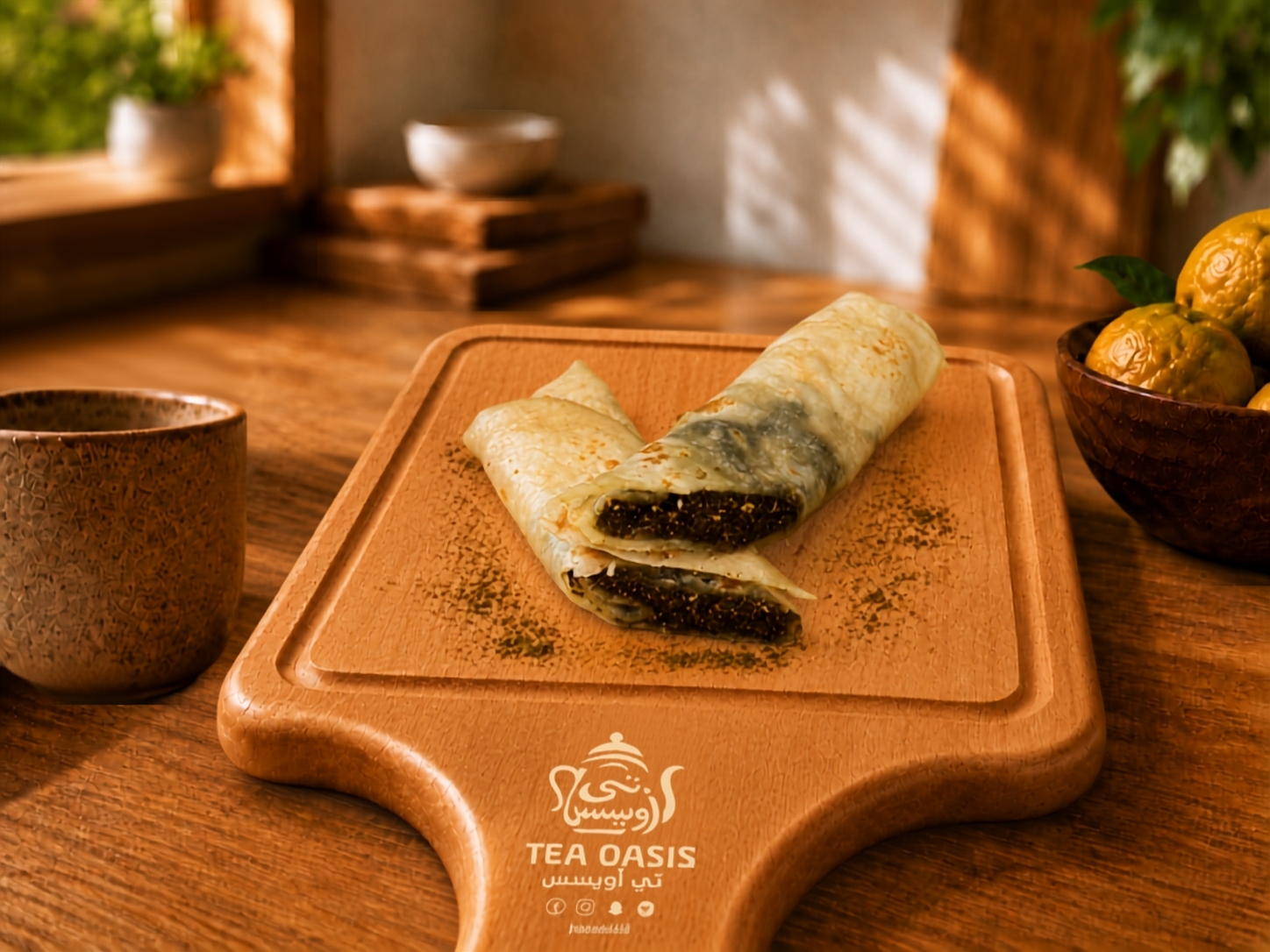
The Oldest Flatbread Combination in Arab Culture for Chapati Cheese with Zatar
Before pizza, before shawarma, before anything wrapped in bread became a trend — there was cheese and za’atar on flatbread. This combination predates recorded recipes. It’s been on Arabic breakfast tables from Beirut to Riyadh for generations, carried forward not by restaurants or food trends, but by the simple fact that it works.
At Tea Oasis, we’ve brought that pairing into a chapati format. Fresh chapati, creamy cheese, and a generous spread of aromatic za’atar — made to order in Al Khobar. The bread changes. The combination stays exactly what it’s always been.
What Za’atar Actually Is
Za’atar is not just thyme. It’s a spice blend — and in the Saudi and wider Arab context, it typically combines dried wild thyme or oregano, ground sumac, toasted sesame seeds, and salt. Some regional blends add marjoram or other herbs. The result is a flavour profile that is earthy, slightly tangy from the sumac, nutty from the sesame, and deeply herbal from the thyme.
What makes za’atar genuinely distinctive is how those components interact. The sumac’s acidity keeps the blend bright. The sesame adds a toasted, almost warm note. The thyme grounds everything with a clean, green herbaceousness that doesn’t compete with the cheese — it amplifies it.
This is why za’atar has been paired with cheese for centuries. The herb blend doesn’t fight the dairy; it gives it a context, a sharpness, a lift that makes the combination taste like a meal rather than just ingredients on bread.
Why Cheese and Za’atar Belong Together
Salty, creamy cheese and earthy, slightly acidic za’atar hit different parts of the palate in sequence. The cheese arrives first — rich, smooth, coating. Then the za’atar: herbal, bright, tangy from the sumac. Then the chapati’s mild warmth underneath it all.
The technical reason this works is contrast and complement at the same time. Za’atar’s acidity (from sumac) cuts through cheese’s fat, preventing the richness from becoming cloying. Meanwhile, the cheese softens za’atar’s more intense herbal notes, making them approachable rather than sharp. You don’t taste either ingredient at its extreme — you taste both at their best.
This is the same logic behind labneh and za’atar (the Lebanese staple), manakish bi jibneh wa za’atar (the Levantine classic), and the widespread Arab breakfast tradition of olive oil, za’atar, and white cheese. These combinations survived because they balance. At Tea Oasis, that balance is inside your chapati.
The Health Benefits of Za’atar: What the Research Shows
Za’atar has a genuine health story — not a marketing angle, but a documented one. Thyme and oregano, the core herbs in most za’atar blends, contain two key compounds: thymol and carvacrol.
- Thymol is a natural antiseptic with proven antimicrobial properties — it’s been shown to inhibit bacteria growth and support respiratory health, which is why za’atar has been used medicinally across the Middle East for over a thousand years
- Carvacrol, the phenol that gives thyme its characteristic flavour, has demonstrated antioxidant and anti-inflammatory effects in multiple studies
- Sumac in the za’atar blend is rich in flavonoids — antioxidants that help combat oxidative stress in the body
- Sesame seeds contribute calcium, magnesium, and healthy monounsaturated fats — particularly relevant for bone health
- Cheese adds protein and calcium — making the combined filling one of the most nutritionally dense options on our breakfast menu
The 12th-century philosopher Maimonides prescribed za’atar to his patients for cognitive function and general health. Modern research confirms the herbal compounds support immune function and gut health. This isn’t ancient mythology — it’s a well-studied plant with real benefits.
Calories and Nutrition: Choosing Your Cheese
Chapati cheese with za’atar lands between 295–390 calories depending on the cheese you choose. That range reflects genuine differences in nutritional content, not portion inconsistency:
- Labneh (strained yogurt): ~295–327 calories — highest protein content, probiotic benefits, lowest fat. The lightest and most nutritionally complete option
- White cheese (akkawi / feta style): ~305–340 calories — creamy, slightly salty, melts well into the za’atar. Classic manakish-style profile
- Liquid/cream cheese: ~360–390 calories — richest texture, most even distribution, full coverage across the chapati
All three work with za’atar. The labneh version is the breakfast choice for people watching intake. The white cheese version is closest to the traditional Arab flatbread experience. The cream cheese version is the most indulgent and the most popular for those ordering without dietary considerations.
When to Order It and What Pairs with Za’atar Chapati
Chapati cheese with za’atar is a morning item. Not because it doesn’t work at other times, but because the herbal freshness of za’atar is exactly what a morning breakfast needs: clean, aromatic, and genuinely energising without being heavy.
Za’atar has historically been associated with mental alertness and energy in Arab culture — eaten before school, before work, before anything requiring focus. Whether or not the cognitive effects are proven, the flavour delivers what a morning needs. Bright, herbal, with enough cheese to feel substantial.
For drinks: karak tea is the pairing in Saudi breakfast culture, and it works beautifully here. The warmth and slight sweetness of karak tea sits against za’atar’s earthiness and creates a back-and-forth that’s distinctly Arabian Gulf breakfast. Earl Grey is the alternative — bergamot’s citrus note lifts za’atar’s herbal tones in a way that feels Mediterranean and clean. Both are excellent. Both are available at Tea Oasis.
Order via WhatsApp or visit our Al Khobar location. Every chapati is fresh to order, za’atar spread applied generously, cheese added warm. The way it’s always been made.
FAQ on Cheese with Zatar