Description
The Most Ancient Arab Breakfast Combination — Still the Best Chapati Labneh with Zaatar
Long before cafés existed in Saudi Arabia, before HungerStation, before any delivery platform — labneh and za’atar on flatbread was breakfast. It still is.
This combination appears in every Arab food culture from Lebanon to Saudi Arabia to Palestine to Jordan. It predates recorded recipes. Families made labneh from strained yogurt hung in cloth overnight, drizzled it with olive oil, dusted it with za’atar, and ate it with freshly baked bread every morning. The ingredients changed slightly by region. The combination never did.
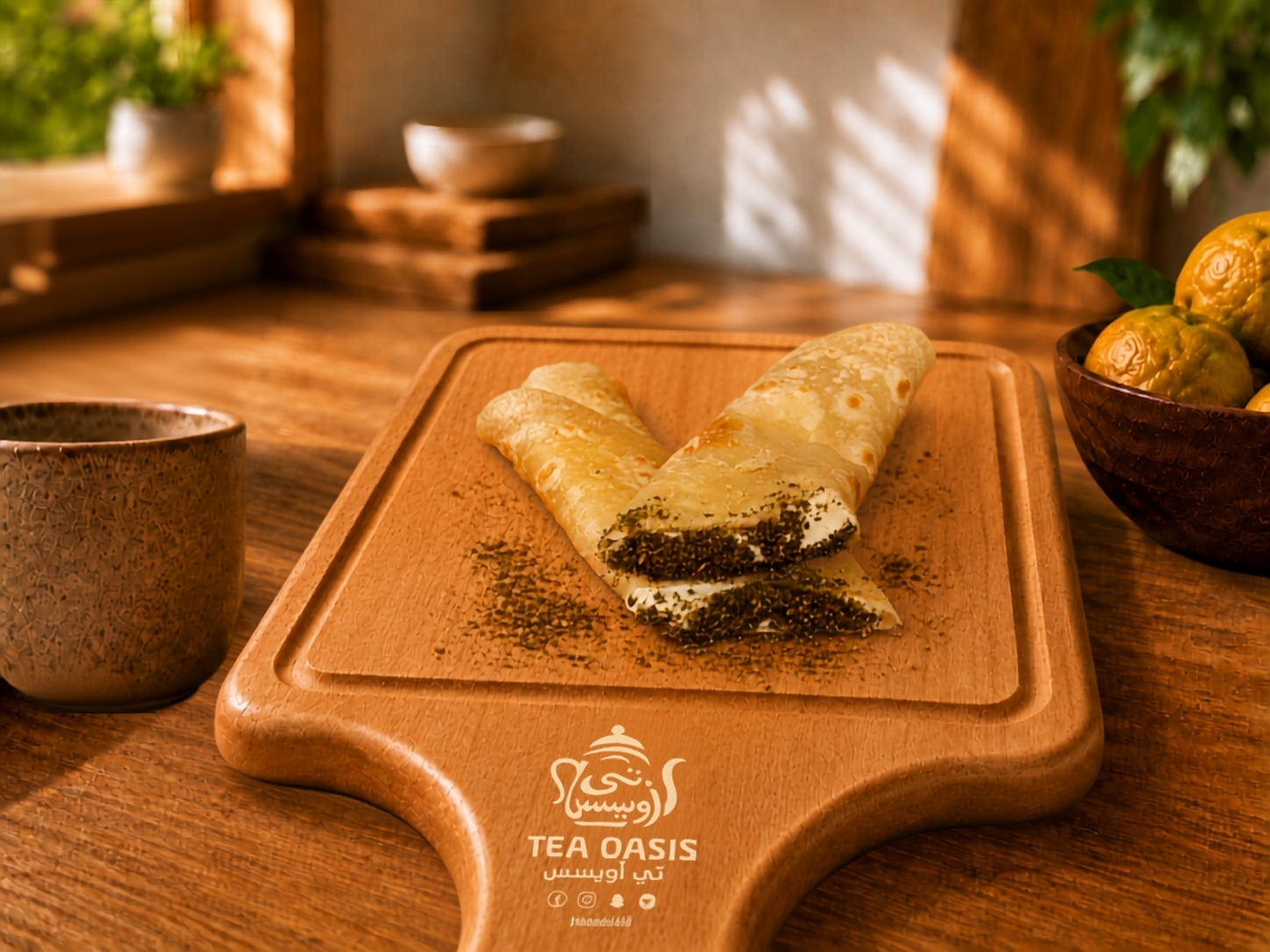
At Tea Oasis, we’ve brought that tradition into a chapati format. Fresh chapati, generous labneh, aromatic za’atar. Not reinvented — just served the way it was always meant to be served: warm bread, cool labneh, herbal za’atar. All three components at their best.
What Labneh Actually Is — and Why It’s Not Regular Yogurt
Most people think of labneh as a type of cheese or thick yogurt. It’s closer to a concentrated dairy product created through one of the oldest food preservation techniques in the Arab world: straining.
To make labneh, full-fat yogurt is salted and poured into cloth, then hung or placed in a sieve for 12 to 24 hours. The liquid whey drains away, leaving behind a thick, creamy, tangy product with a texture between cream cheese and Greek yogurt — but with a flavour profile distinct from both. The longer it strains, the thicker and more concentrated it becomes.
This process has two significant effects. First, it removes much of the lactose, making labneh more digestible than regular yogurt or milk — particularly relevant for the significant proportion of people in Saudi Arabia and the wider Arab world who have varying degrees of lactose sensitivity. Second, it concentrates the protein: labneh contains 2.5 times more protein per gram than regular yogurt, reaching 10–12 grams per 100g serving.
The result is a dairy product that is simultaneously tangier, thicker, more nutritious, and more digestible than the yogurt it started as. That’s why it’s remained a morning staple across the Arab world for thousands of years.
The Probiotic Story: Why Labneh Is Good for Your Gut
Labneh is made from fermented dairy. That means it’s naturally rich in live probiotic bacteria — specifically Lactobacillus bulgaricus and Streptococcus thermophilus, among others — that survive the straining process and arrive in your gut still active.
Probiotics have a well-documented body of evidence behind them. Research published in Frontiers in Microbiology shows that probiotics improve gut microbiota composition, reduce inflammation, and enhance digestion. A review published in ISRN Nutrition found that probiotics support immune function, improve digestive health, and reduce cholesterol levels.
For a breakfast item, this matters. Most Saudi breakfast foods — chapati with egg, cheese, chips — provide protein and carbohydrates. None of them provide probiotics. Labneh with za’atar chapati is the only standard chapati filling that supports gut health as part of the eating experience.
A word on sodium: labneh does contain salt, both from the straining process and as an added preservative. One ounce provides around 23% of the daily recommended sodium intake. Enjoyed as a single chapati serving, this is manageable — but worth noting for those monitoring sodium specifically.
Za’atar’s Role: More Than Flavour
Za’atar is not simply a seasoning on top of the labneh. It changes what the combination does nutritionally.
On its own, labneh is creamy, tangy, and rich — the probiotic and protein story is excellent, but the flavour is one-dimensional. Za’atar’s earthiness from dried thyme, brightness from sumac, and nuttiness from toasted sesame seeds creates a three-part flavour experience that makes the labneh taste more complex and interesting. The sumac’s acidity also lightens the labneh’s richness, so the chapati doesn’t feel dense.
Nutritionally, za’atar adds its own independent contribution. Thymol and carvacrol — the key compounds in thyme — have documented antioxidant and antimicrobial properties. Sumac provides flavonoids. Sesame seeds contribute calcium and healthy fats. These compounds work alongside — not instead of — the probiotics in the labneh, making the combined filling a genuinely multi-layered nutritional item.
Labneh keeps your gut healthy. Za’atar fights oxidative stress. Together inside warm chapati, they make one of the most genuinely functional breakfasts available at any café price point in Saudi Arabia.
Calories: The Lightest Chapati on the Menu
Labneh with za’atar chapati is the lowest-calorie substantial filling in the Tea Oasis menu:
- Plain labneh chapati: approximately 205–210 calories — the lightest chapati filling across all KSA menus
- Labneh with za’atar chapati: approximately 320–345 calories — the za’atar adds minimal calories while transforming the flavour and adding antioxidants
- Compare to: chapati egg with cheese (320–380 cal), chapati cheddar pepperoni (390–450 cal), chapati cheese chips (300–370 cal)
At 320 calories for the full labneh with za’atar build, you get 12 grams of protein, live probiotics, za’atar antioxidants, calcium, and complex carbohydrates — all for under 350 calories. From a nutritional value-per-calorie standpoint, no other chapati filling comes close.
For those following low-carb or keto-adjacent eating patterns, labneh also has only 6 grams of carbohydrates per serving — the lowest of any chapati filling — making this the most keto-friendly standard chapati on our menu.
When to Order — and the Perfect Pairing
Labneh with za’atar chapati belongs at breakfast. The probiotics are most effective on an empty or light stomach in the morning, the protein sustains energy without causing the heavy, slow feeling that meat-based fillings can create, and za’atar’s traditional association with morning focus and clarity makes this the most intentional breakfast chapati we serve.
It’s a lighter chapati — which means it works well as a starter alongside another item, or as the sole breakfast for those who prefer a morning meal that satisfies without being heavy. It’s also one of the few chapati options that works well for pregnant women, those with sensitive digestion (low lactose), and anyone watching calorie intake without wanting to sacrifice substance.
For drinks: karak tea is the instinctive Saudi pairing, and it works beautifully — the warmth and spice of karak against the cool tang of labneh creates one of those breakfast pairings that feels like it was designed, not discovered. Earl Grey is the refined alternative: bergamot’s citrus lifts the za’atar’s herbs into something almost Mediterranean. Both are served at Tea Oasis alongside every order.
Order via WhatsApp or visit our Al Khobar location. Fresh chapati, proper labneh coverage, za’atar spread through to the edges. Made to order, not made in advance.
FAQ ON Labneh with Zaatar