Description
A Coffee Recognized by UNESCO — Not Just Strong, Significant
In 2013, UNESCO added ‘Turkish Coffee Culture and Tradition’ to its Representative List of the Intangible Cultural Heritage of Humanity. That’s not a marketing line — it’s a formal global recognition that what happens in this cup is bigger than the coffee itself. It’s a 500-year ritual, still practiced exactly as it was in Ottoman Istanbul.
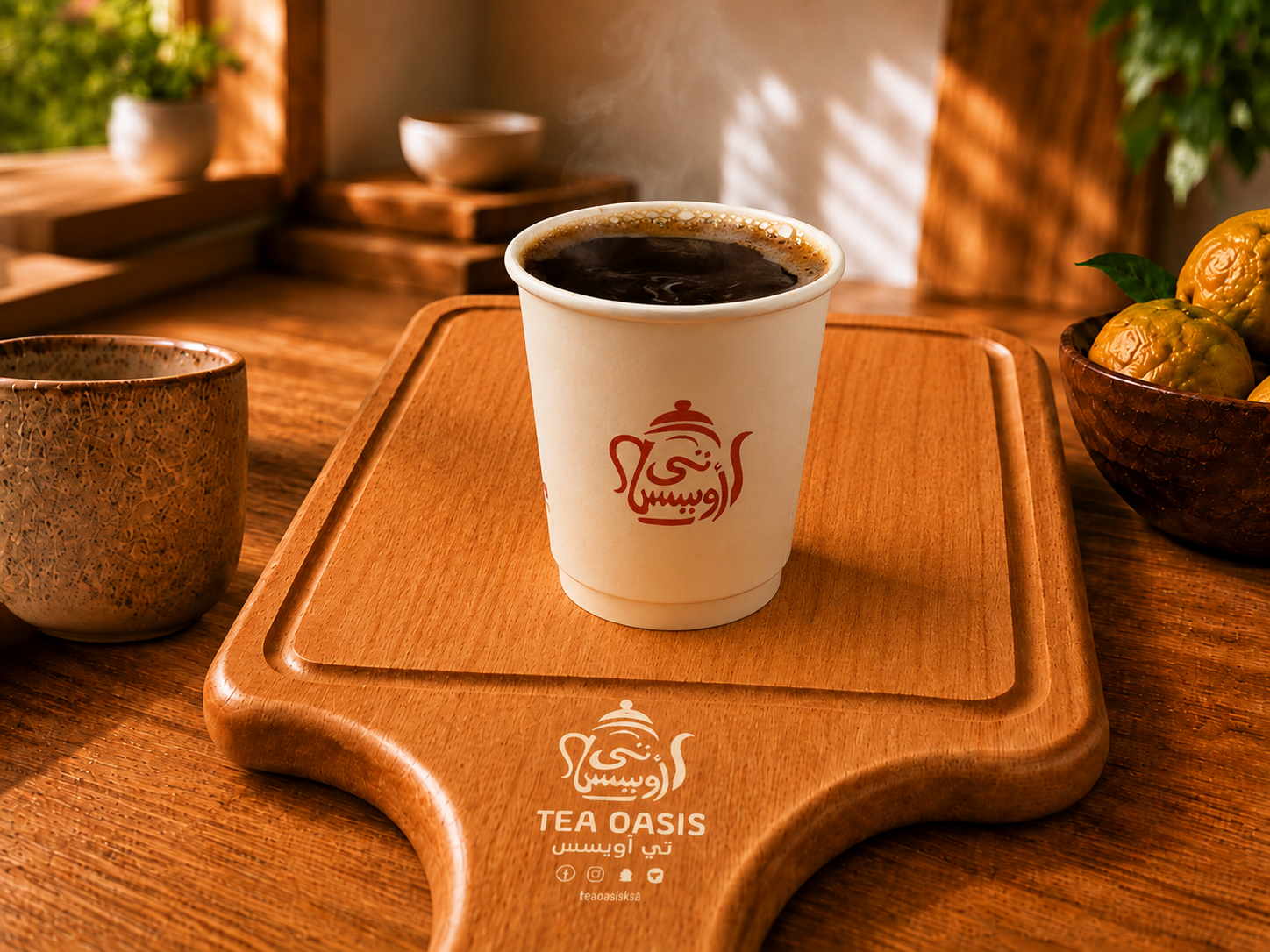
At Tea Oasis, we brew Turkish coffee the way it’s always been done: slowly, in a cezve, unfiltered, foam carefully preserved. No shortcuts. This is what makes it different, why it earned a place on UNESCO’s list, and what to expect when your cup arrives.
Turkish Coffee vs. Saudi Qahwa: What’s the Difference
Both appear on our menu, and they couldn’t be more different despite both being ‘Arabic-region’ coffee traditions:
- Roast: Turkish coffee uses medium-to-dark roasted beans; Saudi Qahwa uses very lightly roasted beans, giving it a golden rather than dark colour
- Grind: Turkish coffee is ground to an ultra-fine powder; Saudi Qahwa uses a coarser grind, more similar to standard coffee
- Spices: Saudi Qahwa is built around cardamom (often with saffron); Turkish coffee is traditionally unspiced, relying on the bean and brewing method alone for its flavour
- Sweetness: Turkish coffee can be brewed unsweetened, lightly sweet, or very sweet depending on preference, with sugar added during brewing; Saudi Qahwa is traditionally served unsweetened, balanced with dates instead
If you want bold, dense, and slightly bitter with a velvety texture — order Turkish coffee. If you want light, golden, and aromatic with cardamom warmth — Saudi Qahwa is your cup.
A Genuine Health Story Behind the Ritual
Beyond the ceremony, Turkish coffee carries real nutritional substance. Research has linked it to elevated antioxidant levels, supporting heart health and helping protect against artery damage.
The unfiltered brewing method means more of the coffee’s natural compounds remain in the cup compared to filtered methods — part of why this centuries-old technique continues to hold up against modern brewing science.
Order from Tea Oasis, Al Khobar
Visit us in Al Khobar or order via WhatsApp. Every cup is brewed fresh, the traditional way — slow heat, careful foam, full ritual. Pair it with any chapati on our menu, or simply enjoy it the way it’s meant to be: slowly, with good company.
FAQs on Turkish Coffee